How Cryptocurrency Integration Is Reshaping Secure Transaction Flows for Northern European Bettors
Wendy Wolf · Aug 29, 2026
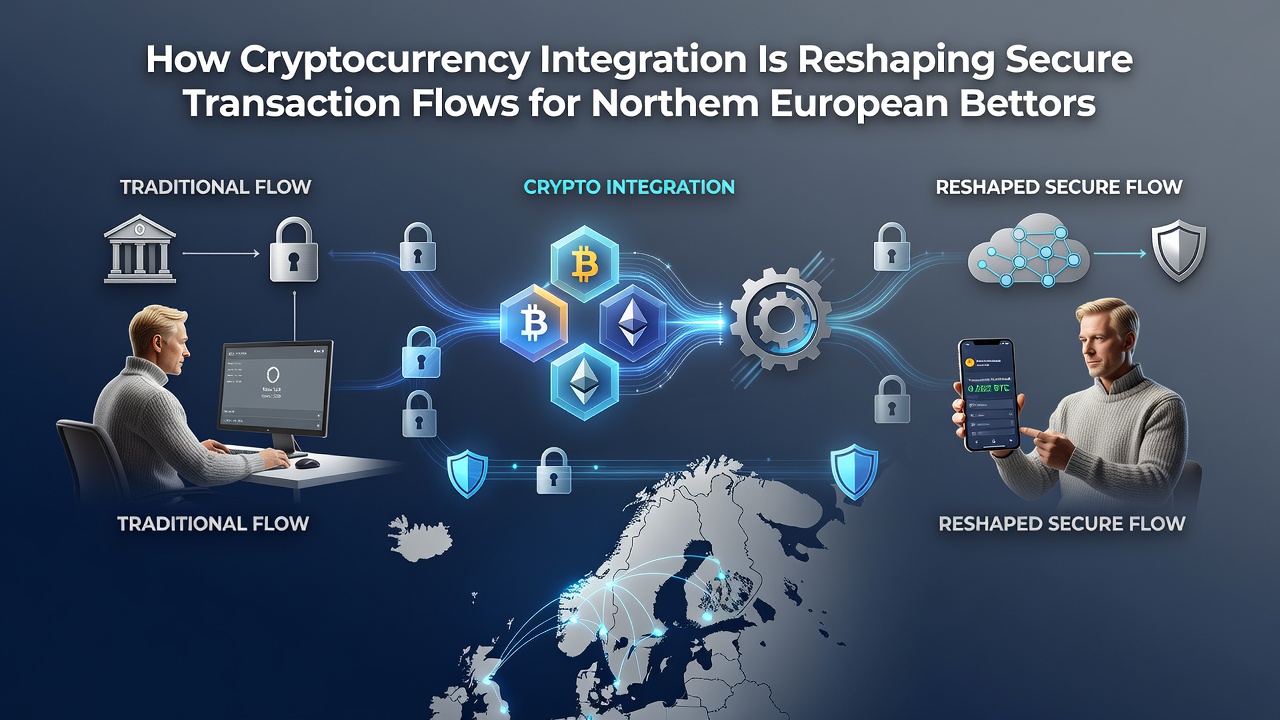
How Cryptocurrency Integration Is Reshaping Secure Transaction Flows for Northern European Bettors
Blockchain Foundations in Regional Betting Markets
Northern European bettors have turned to cryptocurrency platforms as transaction methods evolve through distributed ledger systems that record each exchange on multiple nodes simultaneously, and data from regulatory filings shows increased adoption rates across Finland, Sweden, and Denmark since early 2025. Researchers at various Nordic universities have tracked how these networks reduce single-point failures compared to traditional banking rails, while operators integrate wallets that support Bitcoin, Ethereum, and stablecoins for deposits and withdrawals that settle in minutes rather than days.
Payment processors in the region report that blockchain verification steps replace intermediary approvals, which cuts processing times and limits exposure to chargeback disputes common in fiat channels. Observers note that smart contracts automate payout conditions once results finalize, so funds move directly to user addresses without manual intervention from platform staff.
Security Enhancements Through Decentralized Verification
Cryptographic hashing and public-private key pairs secure each transfer, which makes tampering evident across the chain, and industry reports from 2026 indicate fewer reported fraud incidents among operators that switched to these methods. Multi-signature requirements add another layer where multiple approvals must align before a transaction completes, and this setup has gained traction among platforms serving Swedish and Norwegian users who face strict local oversight on player fund protection.
Encryption protocols embedded in wallet software prevent unauthorized access even if one device is compromised, whereas traditional systems sometimes rely on centralized databases that present larger targets. Analysts reviewing transaction logs from August 2026 found that average confirmation times for crypto bets dropped below 30 seconds in many cases, while security audits confirmed that immutable records help regulators trace flows without compromising user privacy keys.
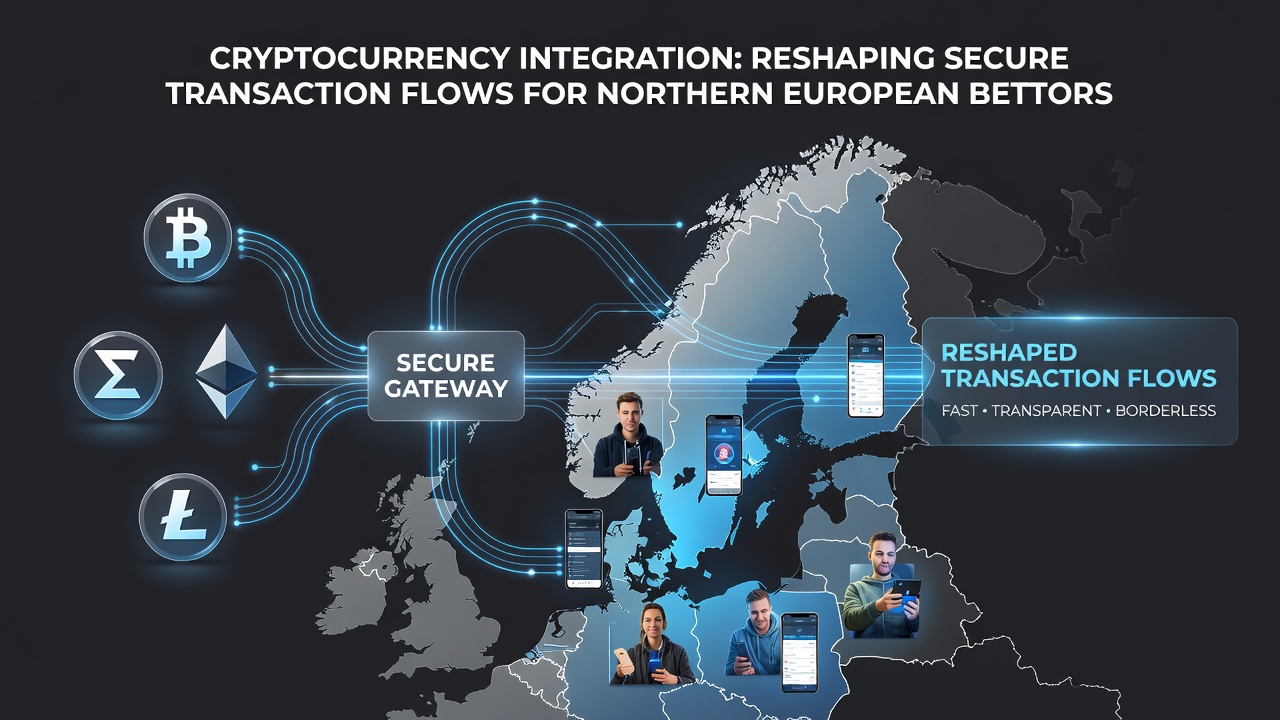
Regulatory Alignment and Cross-Border Considerations
Government agencies in the Nordic area have updated guidelines to address crypto usage, and the New Zealand Gambling Commission framework offers one comparative model that European operators sometimes reference for risk assessment protocols. Finnish authorities require licensed entities to maintain transparent ledgers, which encourages the use of permissioned blockchains that allow oversight while preserving transaction speed.
Cross-border bettors benefit from borderless wallet transfers that bypass currency conversion delays, and studies from academic institutions in the region show that stablecoin options minimize volatility concerns during settlement periods. Compliance teams now monitor on-chain analytics tools to flag suspicious patterns without halting legitimate activity, and this balance supports continued market growth.
Operational Shifts for Platforms and Users
Operators have redesigned backend systems to connect directly with blockchain nodes, which removes layers of third-party processors and lowers per-transaction costs according to aggregated industry data. Bettors receive instant balance updates once confirmations register, and this immediacy changes how they manage bankrolls across multiple sessions.
Training programs for customer support staff now include explanations of wallet addresses and gas fees, while developers refine interfaces that hide technical details behind familiar deposit buttons. Data indicates that platforms offering crypto options saw higher retention among users who previously avoided international wire transfers due to fees and delays.
Future Trajectories Based on Current Patterns
Continued integration depends on further standardization of token standards and improved interoperability between networks, and reports from European research bodies highlight ongoing pilots that test central bank digital currencies alongside existing cryptocurrencies. Northern European markets remain positioned to adopt these changes quickly because of established digital infrastructure and high smartphone penetration rates.
Transaction monitoring systems evolve alongside the technology, which helps maintain security standards even as volumes increase. Those who have examined adoption curves expect incremental refinements rather than sudden overhauls in the coming years.
Conclusion
Cryptocurrency integration continues to alter how secure transaction flows operate for Northern European bettors through faster confirmations, enhanced cryptographic protections, and streamlined compliance processes. Data collected through August 2026 demonstrates measurable shifts in processing efficiency and fraud reduction, while regulatory frameworks adapt to support these methods. The patterns observed suggest sustained development in wallet connectivity and ledger analytics as the underlying technology matures across the region.