How Data Analytics Shapes Personalized Wagering Strategies Among Nordic Players
Casey Coleman · Aug 23, 2026
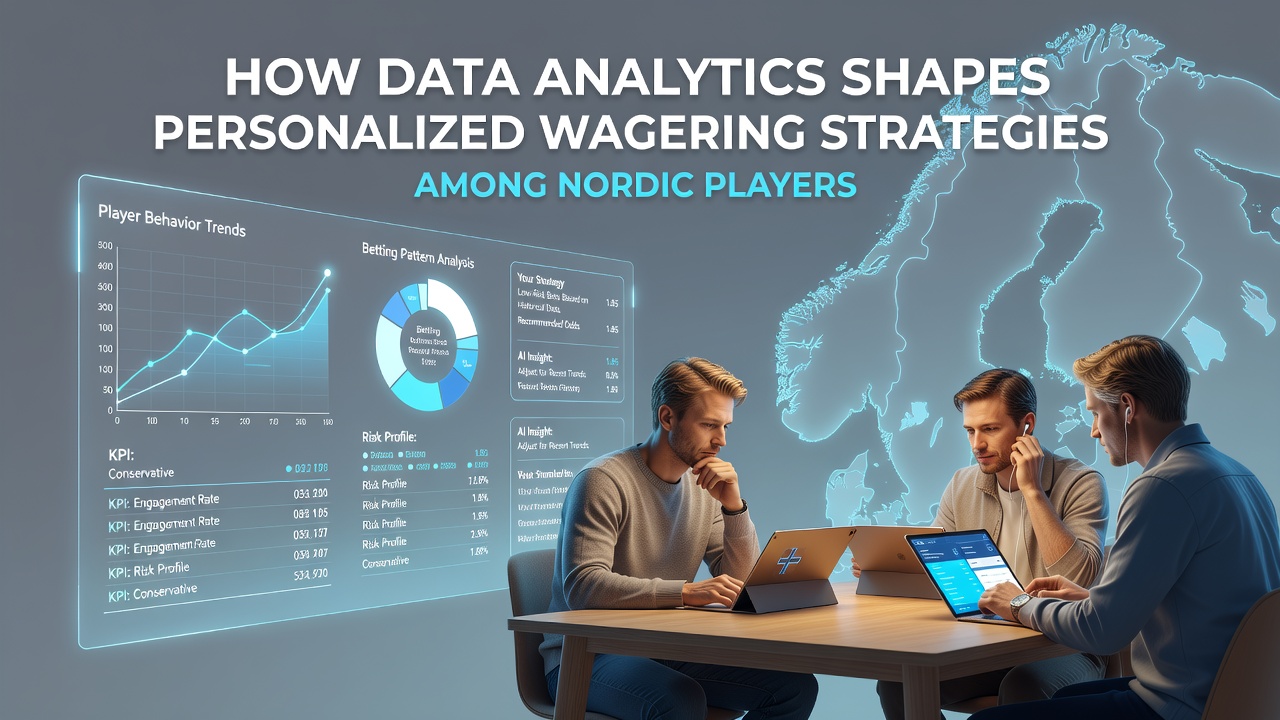
How Data Analytics Shapes Personalized Wagering Strategies Among Nordic Players
Operators across Finland, Sweden, Norway and Denmark rely on data analytics to refine wagering approaches that align with individual player histories and preferences, while observers note that this process draws from transaction records, session durations and bet types collected through licensed platforms.
Research from Nordic regulatory bodies shows that algorithms process millions of data points each month to identify patterns such as preferred sports markets or typical stake sizes, and these insights allow platforms to adjust recommendations in real time without requiring manual intervention from users.
Data Collection Methods in Regulated Markets
Platforms operating under licenses from authorities like Spelinspektionen in Sweden gather information through account registrations, payment histories and interaction logs, yet strict data protection rules limit how long certain details remain stored and who gains access to them.
Studies conducted by university researchers in Helsinki indicate that machine learning models trained on anonymized datasets achieve higher accuracy when predicting which bet categories a player might explore next, and these models update continuously as new information arrives during peak periods such as major football tournaments.
Personalization Techniques and Algorithmic Adjustments
Analytics systems segment users into groups based on activity levels and risk tolerance indicators, after which targeted suggestions appear in app interfaces or email summaries, while operators test multiple versions of these prompts to measure engagement rates across different demographic slices.
One documented case from a Danish operator revealed that players who received tailored odds comparisons showed increased session lengths compared with control groups, and similar experiments continue in August 2026 as new regulatory guidelines on responsible presentation of options take effect.
What's interesting is how these adjustments incorporate external variables such as weather data for outdoor event betting or team performance metrics scraped from public sources, creating layers of context that go beyond simple historical averages.
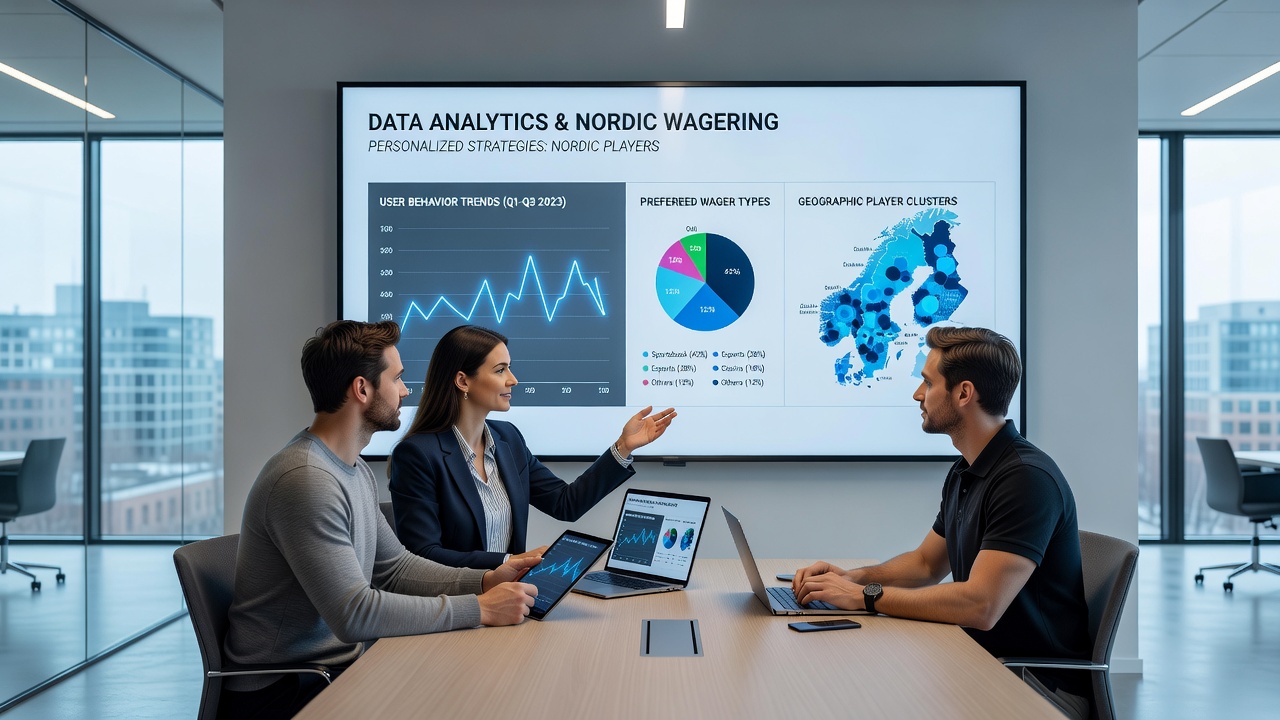
Regulatory Frameworks Guiding Analytics Use
Authorities in each Nordic country enforce transparency requirements that force operators to explain how data influences offer generation, and compliance reports submitted quarterly detail the safeguards in place to prevent excessive personalization that could encourage prolonged play.
Figures released by the Norwegian Gaming and Foundation Authority highlight a steady rise in the adoption of predictive tools between 2023 and 2026, with emphasis on cross-border data sharing protocols that respect EU-wide privacy standards.
Academic papers from institutions in Oslo further examine how segmentation algorithms account for age verification results and self-exclusion lists, ensuring that recommended strategies never reach individuals who have opted out of certain categories of activity.
Observed Effects on Player Decision Making
Industry reports compiled by the European Gaming and Betting Association document measurable shifts in bet diversity among Nordic users who interact with analytics-driven interfaces, as participants explore markets they previously overlooked when suggestions align with past preferences.
Those who've studied transaction volumes note that real-time updates during live events allow for dynamic stake adjustments based on in-play statistics, and this capability has become standard across major licensed sites serving the region by August 2026.
Conclusion
Analytics continues to influence wagering strategies in the Nordic market through structured data processing and regulatory oversight that prioritizes player segmentation and responsible presentation, while ongoing research tracks how these tools evolve alongside technological and legal developments.